
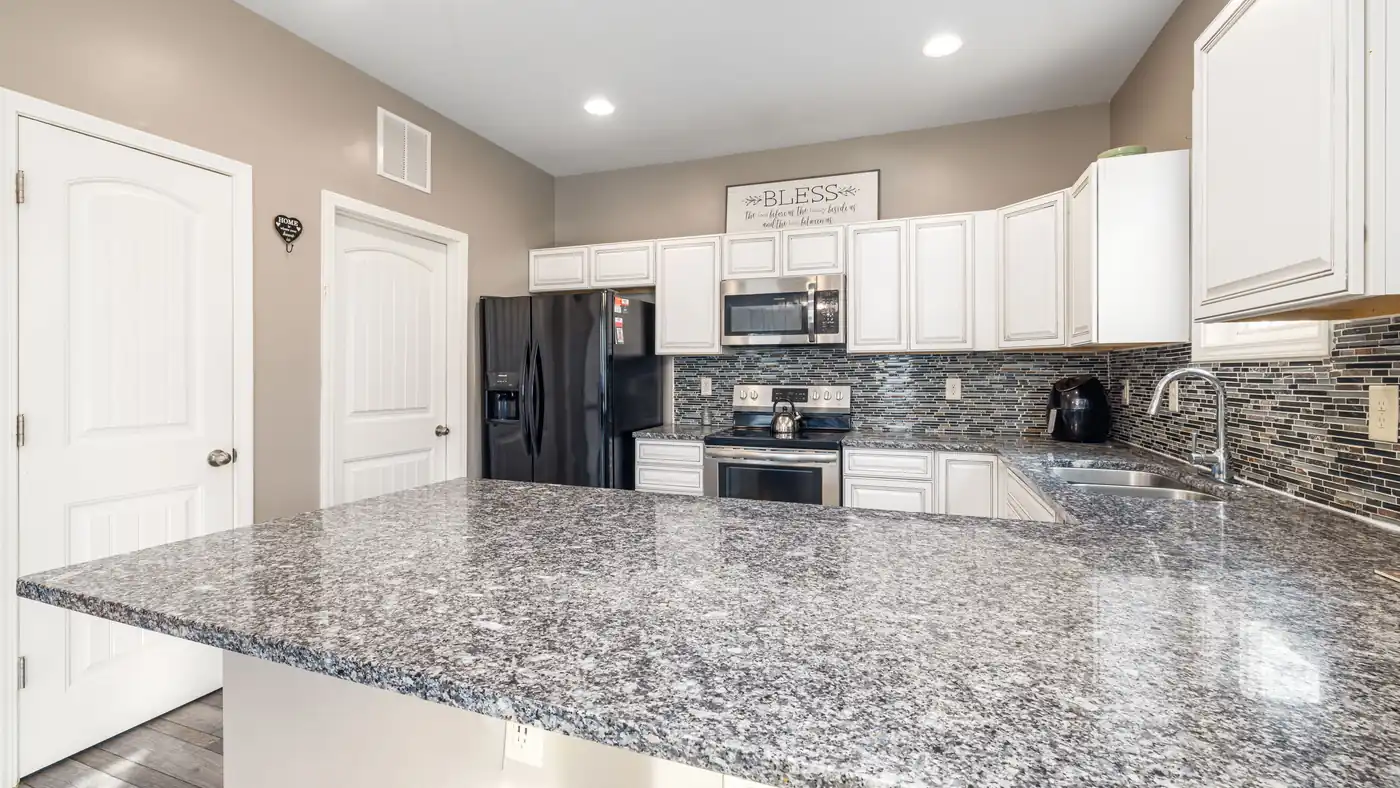
Quick answer: Builder-grade cabinets are budget-focused cabinet packages selected for construction projects, rather than a single material or construction type. Decide whether to keep, upgrade or replace them by checking the cabinet boxes, working hardware and layout. A dated finish may be worth changing; damaged boxes or a layout that no longer works call for a closer assessment before spending on cosmetic improvements.
The cabinets came with the house. You may dislike the doors or wish the drawers closed more quietly, but neither complaint tells you whether the whole kitchen needs replacing. Start by separating appearance from condition. That makes the next quote much easier to judge.
What does builder-grade actually tell you?
In cabinet shopping, builder-grade describes a budget-focused product package. Sellers use the term loosely. It does not identify one required box material, door style or hardware system, so ask what the specific cabinets are made from and how they are assembled.
Stock, ready-to-assemble and builder-grade also describe different things. Stock refers to a preset product range. Ready-to-assemble refers to how a cabinet is supplied. Neither label alone settles the quality of the installed cabinet.
For a replacement, ask for written construction details and any applicable testing documentation. The KCMA A161.1 certification program tests cabinet structure, doors, drawers and finishes. That is a specific performance program, separate from a seller's grade label. Confirm the exact product's status; this guide does not establish certification for any JWQ collection.
Check these parts before choosing an upgrade
Empty the areas you need to inspect and look inside, especially beneath the sink. Use ordinary opening and closing to assess operation. A cabinet pulling away from the wall needs professional attention before further use. Do not load-test cabinets or attempt structural repairs from an online checklist.
- Box condition: Look for swollen edges, soft areas, separated joints or peeling layers. Find and address an active leak before planning cabinet work.
- Doors and fronts: Distinguish a worn surface from a warped or damaged part. Check whether replacement fronts can actually be made to fit.
- Hinges and drawer hardware: Note rubbing, sagging or binding. A qualified installer can determine whether adjustment or compatible replacement hardware is appropriate.
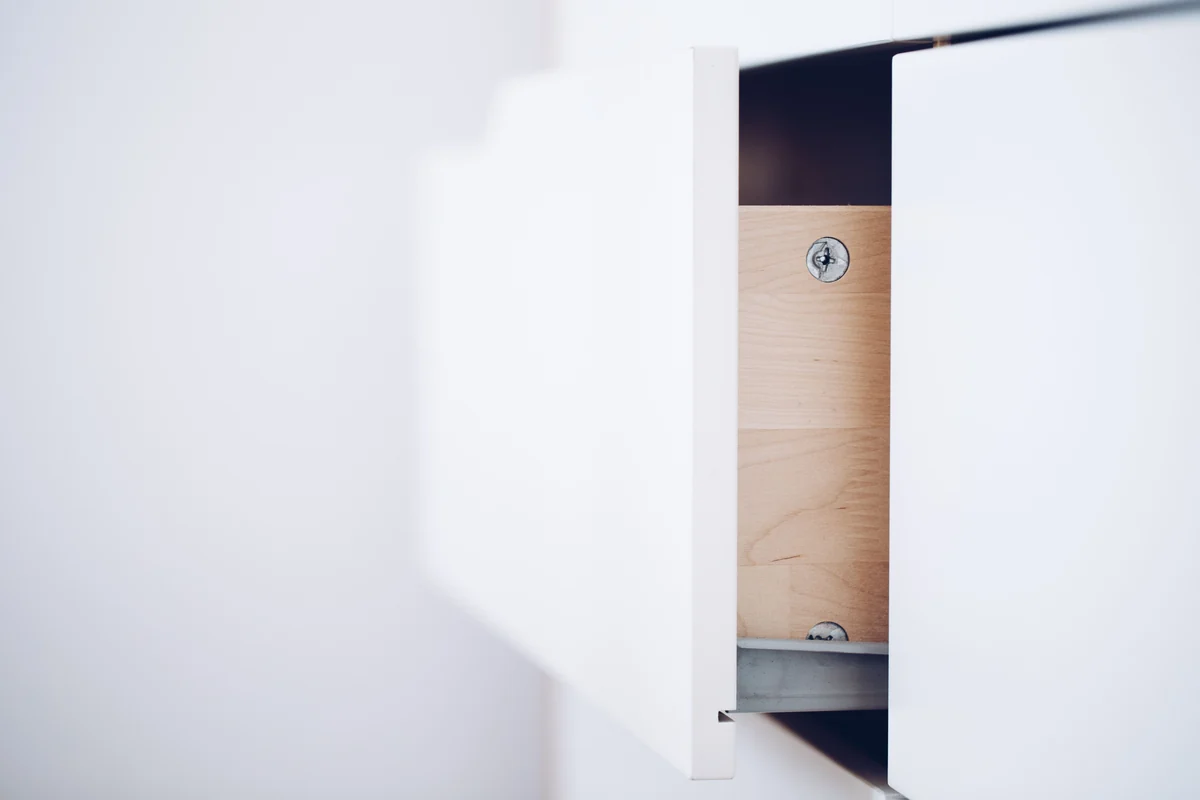
- Shelves and drawer bottoms: Look for sagging, loose supports or separation. Record which units are affected rather than assuming every cabinet has the same problem.
- Layout: Note blocked openings, awkward storage and appliance conflicts. A new finish leaves those problems in place.
Photograph the affected parts and keep the notes with your measurements. JWQ's cabinet-quality guide explains the construction details to compare when a replacement becomes an option.
Keep, upgrade or replace: a decision table
Use this table to prepare questions for a cabinet professional. It is a planning aid, not a structural diagnosis.
| What you find | Option to investigate | Confirm before spending |
|---|---|---|
| Sound boxes, useful layout and an acceptable finish | Keep the cabinets and address individual maintenance needs | Whether a specific fault needs adjustment, repair or replacement |
| Sound boxes and a useful layout, but dated handles or finish | A limited hardware or finish upgrade | Compatible fixings, surface preparation and the scope of the work |
| Sound boxes, but unwanted door profiles | Replacement fronts or refacing | Accurate front sizes, overlay, hinge compatibility and exposed-end treatment |
| Damaged boxes, several failing components or an unsuitable layout | A repair assessment and a complete replacement comparison | Cause of damage, installation requirements and all related project costs |
When a smaller upgrade makes sense
Changing handles is a reasonable place to start when the cabinets work well and the problem is grip or appearance. Check existing holes before buying a full set. Our knobs-versus-pulls guide covers the fitting details.
Painting or refinishing needs a separate assessment of the existing surface. Ask the finisher whether the coating is suitable, how it will be prepared and which surfaces are included. A new color will leave a damaged box or a binding drawer unresolved.
If the home was built before 1978, investigate potential lead-based paint before sanding or disturbing older coatings. The EPA's lead-safe renovation guidance explains the risk and recommends a lead-safe certified contractor for renovation work in older homes. If the home's age is unknown, follow EPA's precautionary guidance rather than assuming the coating is safe.
Refacing or new fronts may suit an otherwise serviceable kitchen, but request an itemized quote. Ask how visible cabinet ends, toe kicks and existing damage will be handled. JWQ's dealer directory does not establish that a dealer offers these services; confirm them directly with the business.
When replacement deserves a closer look
Replacement is worth pricing when the existing cabinet system cannot support the changes you need. Moving appliances, changing the storage arrangement or dealing with widespread box damage can make a cosmetic project less useful.
Compare the whole scope before deciding. A replacement proposal should identify removal, cabinet supply, assembly and installation responsibilities. Ask what happens to the countertops, backsplash and utilities, and which work is priced separately. A cabinet-only price and a complete installed quote are different starting points.
You can also ask whether a limited repair or partial replacement is feasible. Confirm that any retained units will work with the proposed layout and that a finish match is available before relying on that option.
What to take to a JWQ dealer
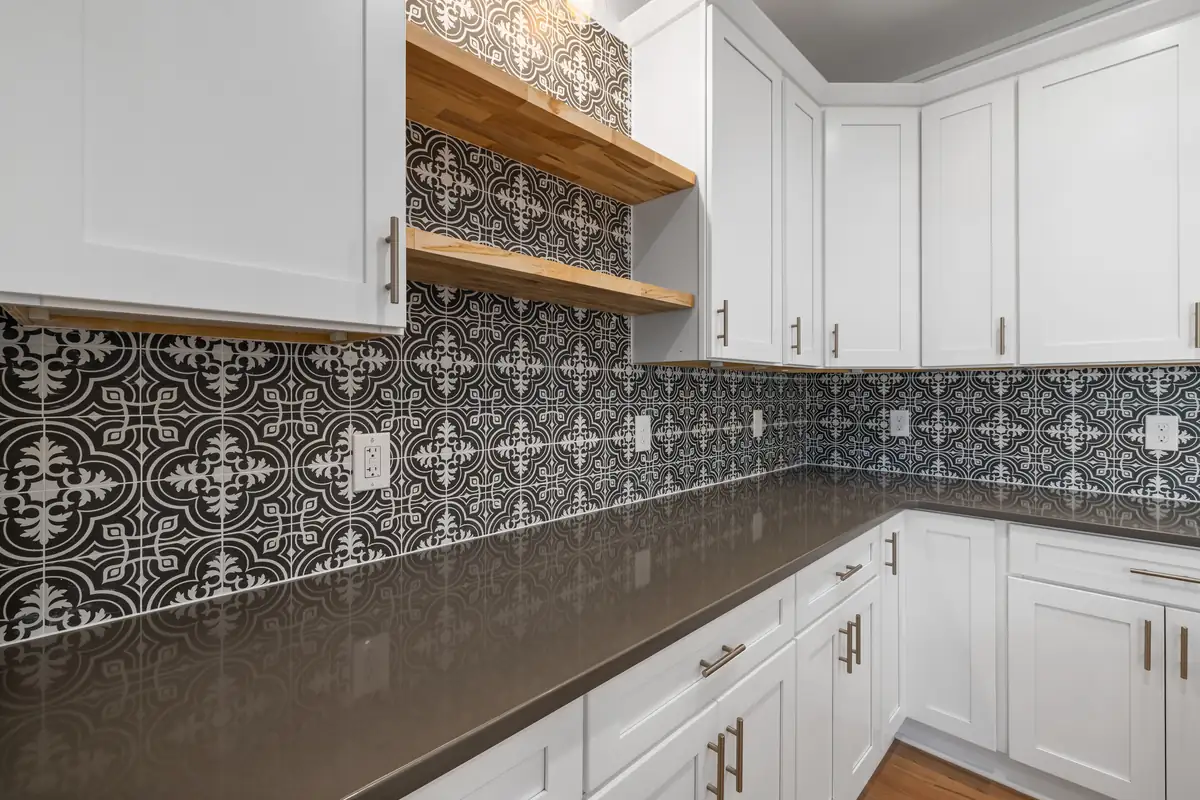
Bring your condition photographs, a rough room plan and a written list of what the existing kitchen cannot do. Identify appliances you plan to keep and any proposed layout changes. Field measurements and utility positions still need to be verified by the person responsible for the final design.
Use the JWQ cabinet collections to narrow the door profiles and finishes you want to discuss. Ask the dealer to confirm the current specifications, available sizes and order terms for the selected line. Do not assume that custom dimensions, installation or repair services are included.
Homeowners purchase through independent dealers. You can request a JWQ dealer and ask that business which measuring, design and installation services it provides. Take the checklist with you so the conversation starts with what needs fixing, rather than a label on a cabinet package.